Overwhelm and burnout
Overwhelm and burnout in Frankston: how they show up, when to get help and how a psychologist can help.
You sit in the car outside work for ten minutes before you can go in. Your daughter holds it together all day at school, then falls apart at home over the wrong colour cup. On the weekend you cancel plans you were looking forward to, because there is nothing left.
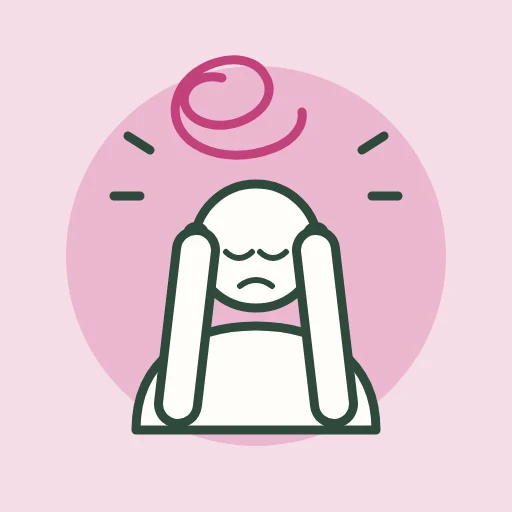
Burnout is what happens when the load on a person has been heavier than their energy for too long, and it is something a psychologist can help with.
How it can show up
- Tiredness that a good sleep or a weekend off does not shift.
- Small jobs feel huge. Emails, dishes or homework pile up, and starting anything is hard.
- A short fuse, tears that come easily, or feeling flat about things you used to care about.
- Giving everything to work, study or caring for someone, with nothing left over for yourself.
- In children, holding it together at school and melting down or shutting down at home. In teenagers, pulling back from friends, or finding it harder to get to school, sometimes called school refusal or school can't.
- For autistic people and people with ADHD, burnout often follows a long stretch of masking, which means hiding how you naturally think, move and cope in order to fit in. Things you can usually do, such as talking or planning, can drop away for a while.
When to get help
It is worth getting help when the exhaustion has gone on for weeks or months, or when it is getting in the way of home, school, work or relationships. See your GP as well, because ongoing tiredness can have a physical cause.
How we help
A psychologist starts by understanding what is going on: what is draining you, what gives energy back, and how long this has been building. From there you work out practical changes that fit your life, such as lowering the load, setting limits and pacing yourself. For autistic people and people with ADHD, that often means finding where masking costs the most, and what could change around you so you can do less of it. For children and teenagers, a psychologist works with parents as well. Burnout often comes with anxiety or low mood, and these can be worked on at the same time.
Getting started
The first step is an intake call: up to half an hour by phone or video, at no cost. We ask what's going on and what you're hoping for, and work out your next step with you. You don't need a diagnosis or a referral to start.
Common questions
Is burnout the same as depression?
They can look alike, and a person can have both. Burnout is usually tied to a load that has been too heavy for too long, and it often eases when the load changes. Depression tends to colour everything, whatever the load. A psychologist can help work out which it is.
Why does my child cope at school and fall apart at home?
Many children use up everything they have getting through the school day, especially if they are working hard to fit in. Home is where they feel safe enough to let go. It is often a sign of how much effort school is taking.
Make an appointment
Book a time online, or call, email or send us a message.